3 hr 30 min
Hidden Hutong Food Tour with Hotpot & Craft Beer
Walk historic alleyways, taste endangered dishes, and savor rooftop hotpot with local brews
Reserve
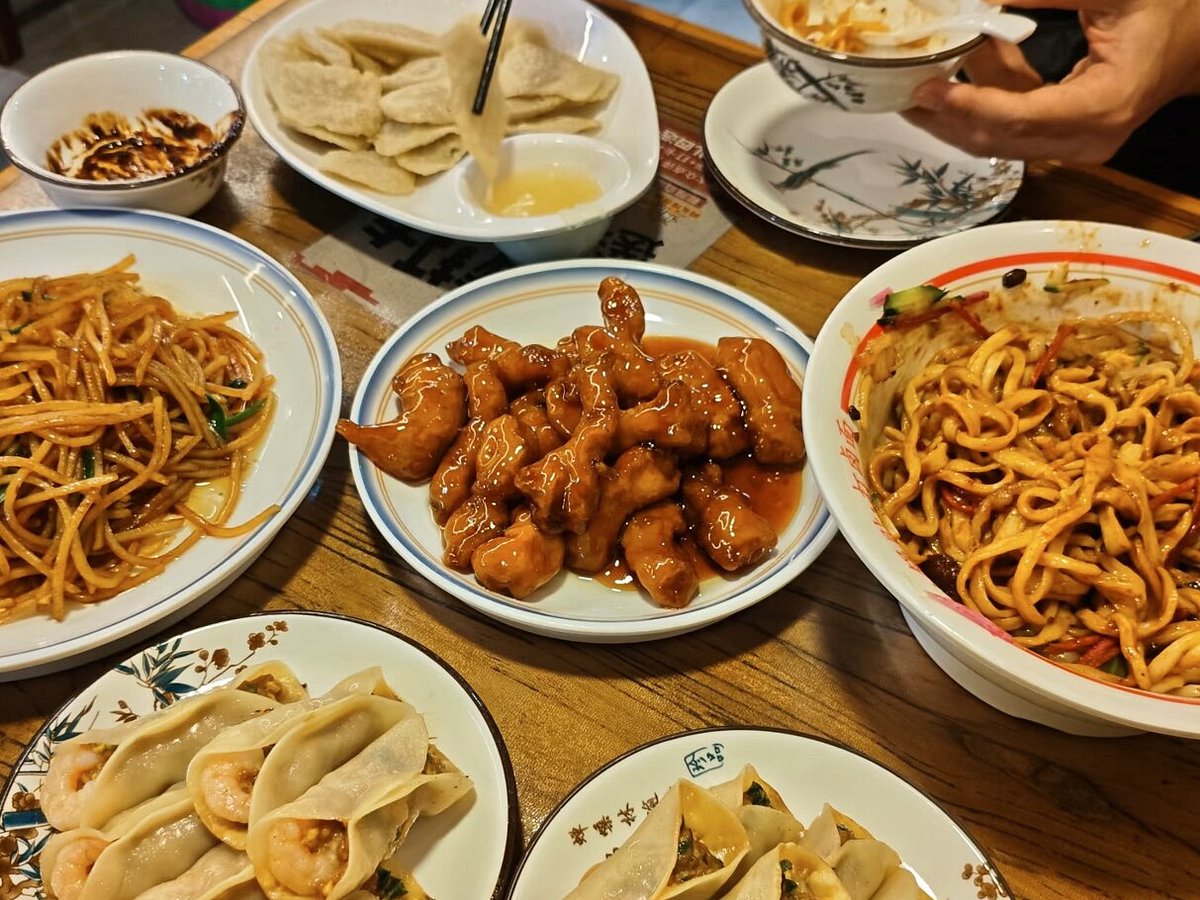
From dumpling carts to Peking duck halls, taste eight centuries of culinary tradition
Hand-picked by our editors — only the best 7 culinary experiences from 42 reviewed.
Verified partners for Beijing Food tours, free cancellation where available, and instant confirmation on every booking.
3 hr 30 min
Walk historic alleyways, taste endangered dishes, and savor rooftop hotpot with local brews
Reserve
4 hr
Explore Beijing's historic alleyways while sampling authentic street food, dumplings, skewers, and more
Reserve
3 hr 30 min
Explore lantern-lit alleys and historic neighborhoods after dark, with optional local feast included
ReservePrices from verified partners. Availability updates in real time at checkout. Free cancellation policies apply where shown.
The landmarks, rooms, and views travelers on Beijing Food tours remember — all visible on a single visit.
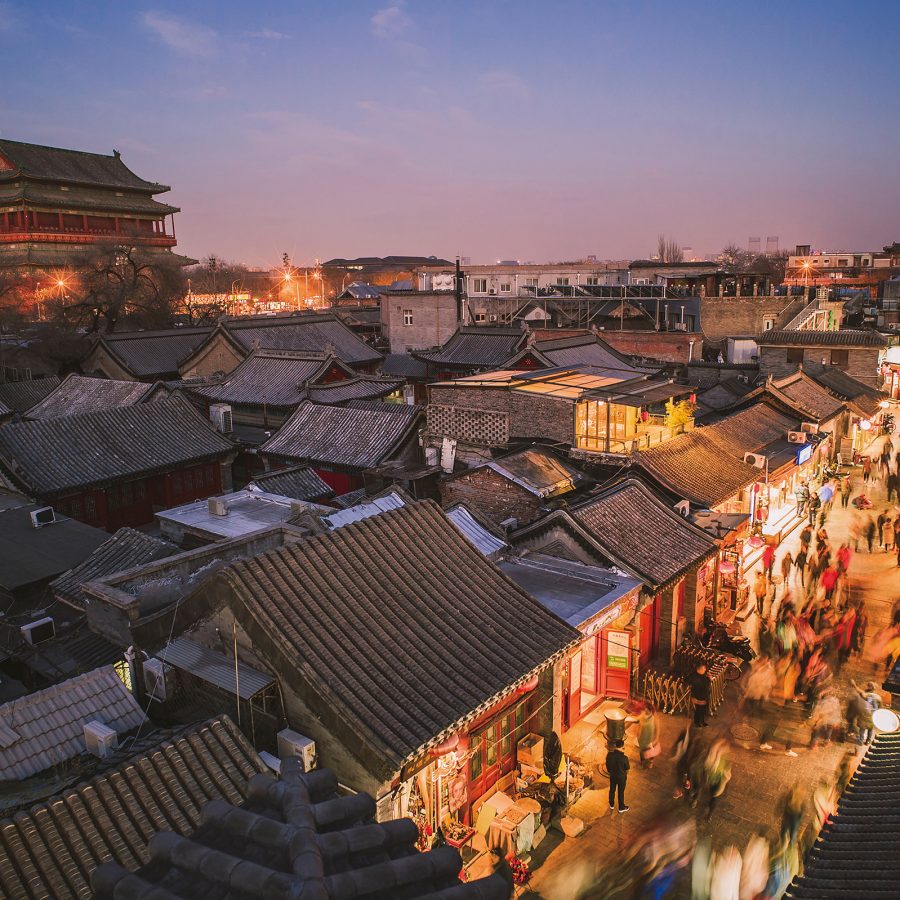
Traditional narrow lanes housing historic food stalls and community kitchens. These passages reveal the authentic character of the city as you participate in your beijing food tour.
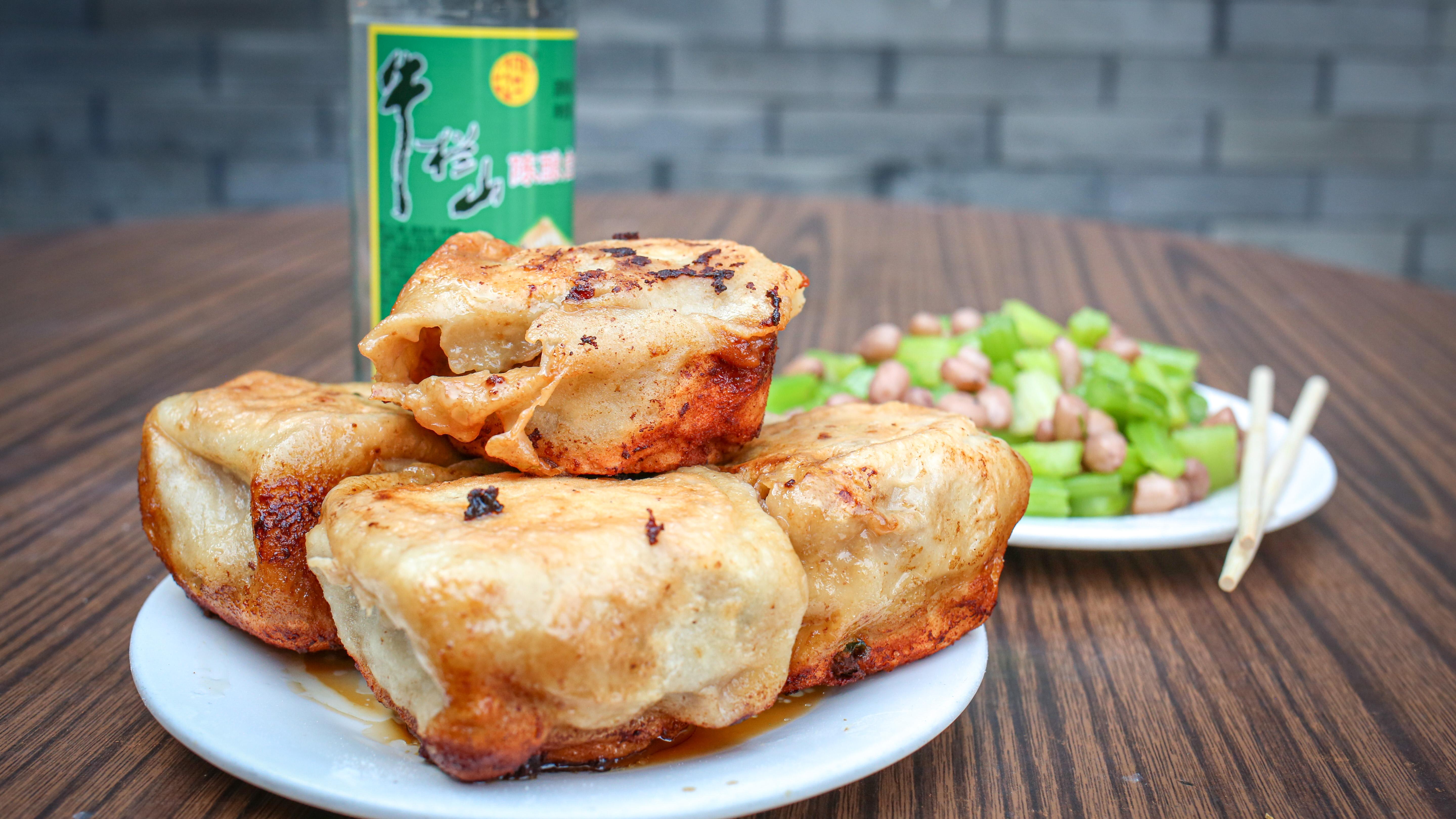
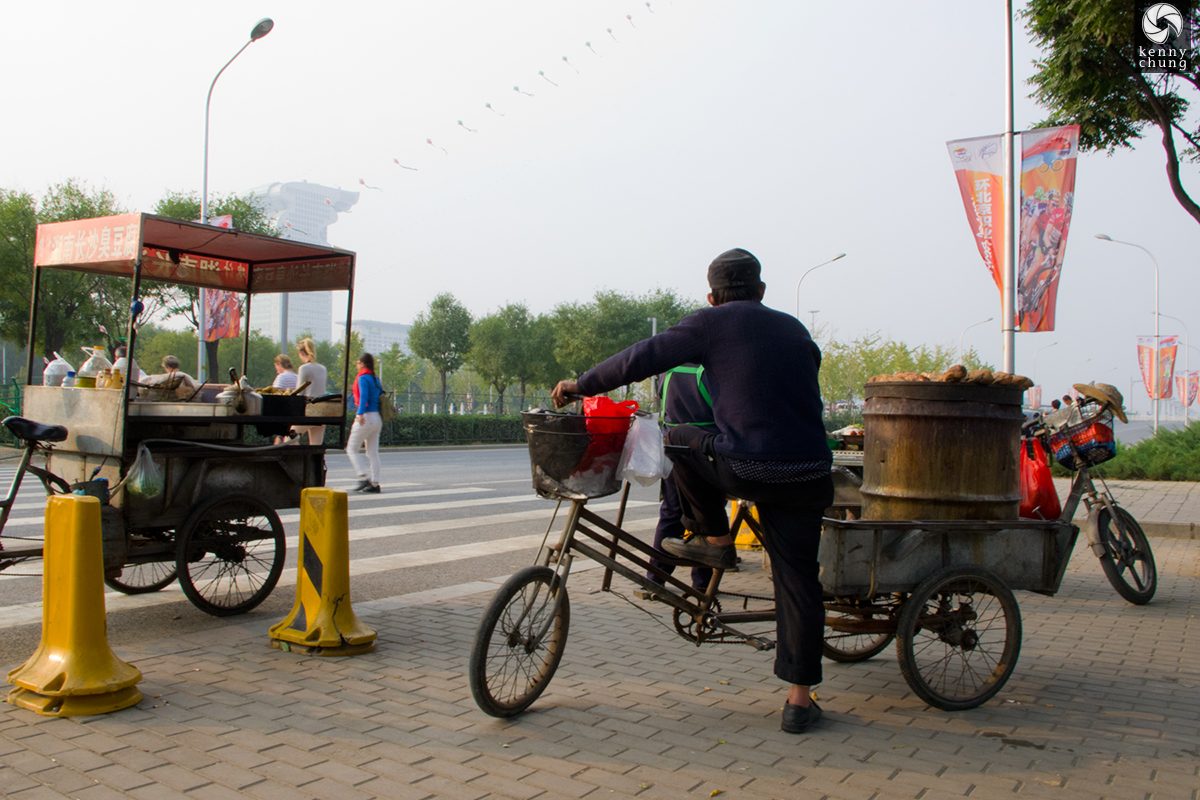
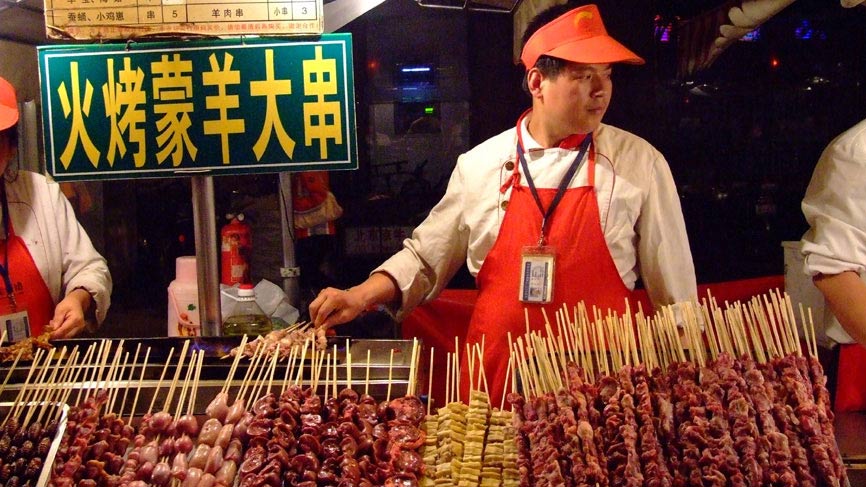
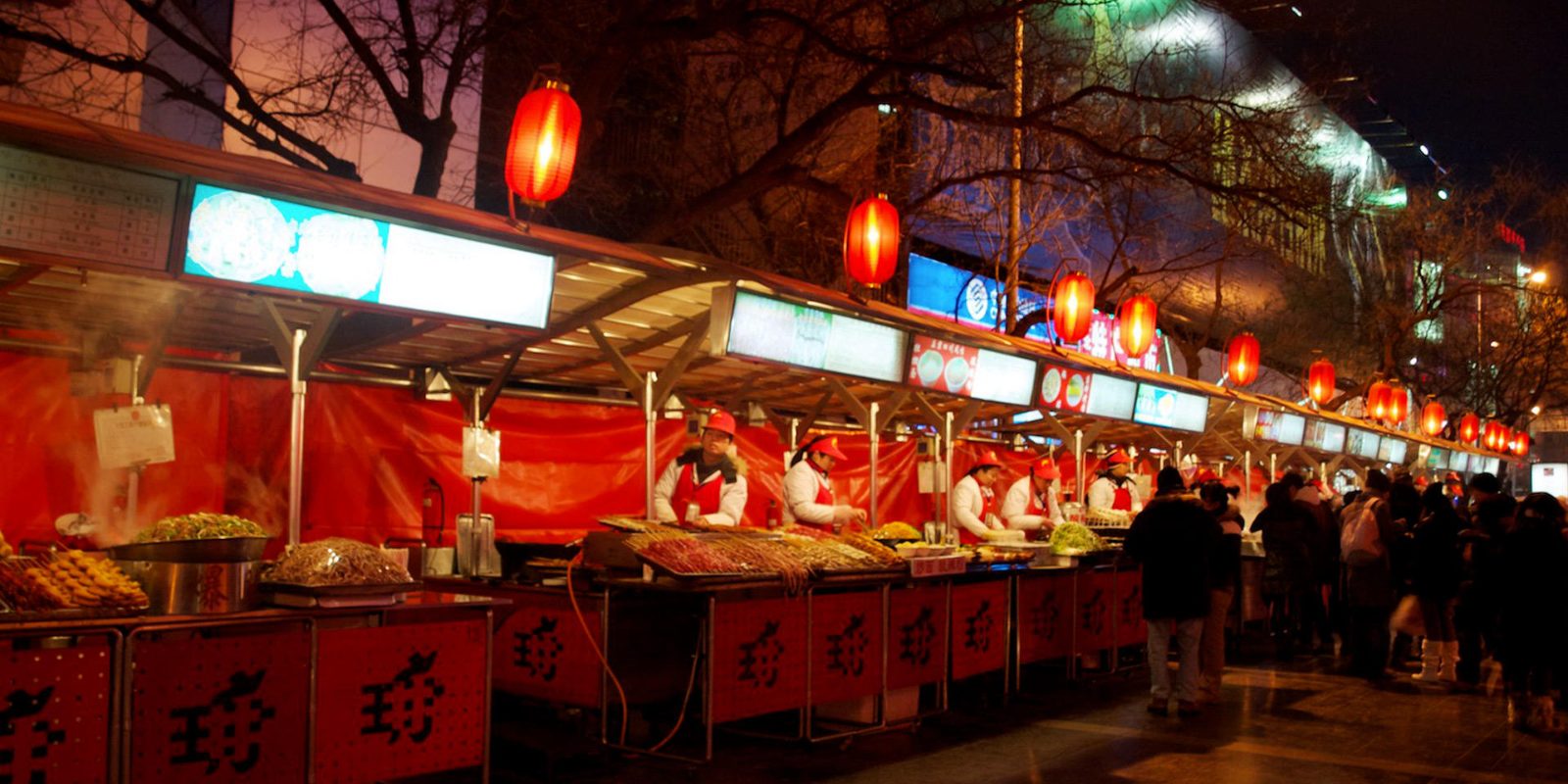
Open-air cooking stations serving a variety of local snacks. These stalls are the heart of any beijing food tour and often feature long-standing recipes.
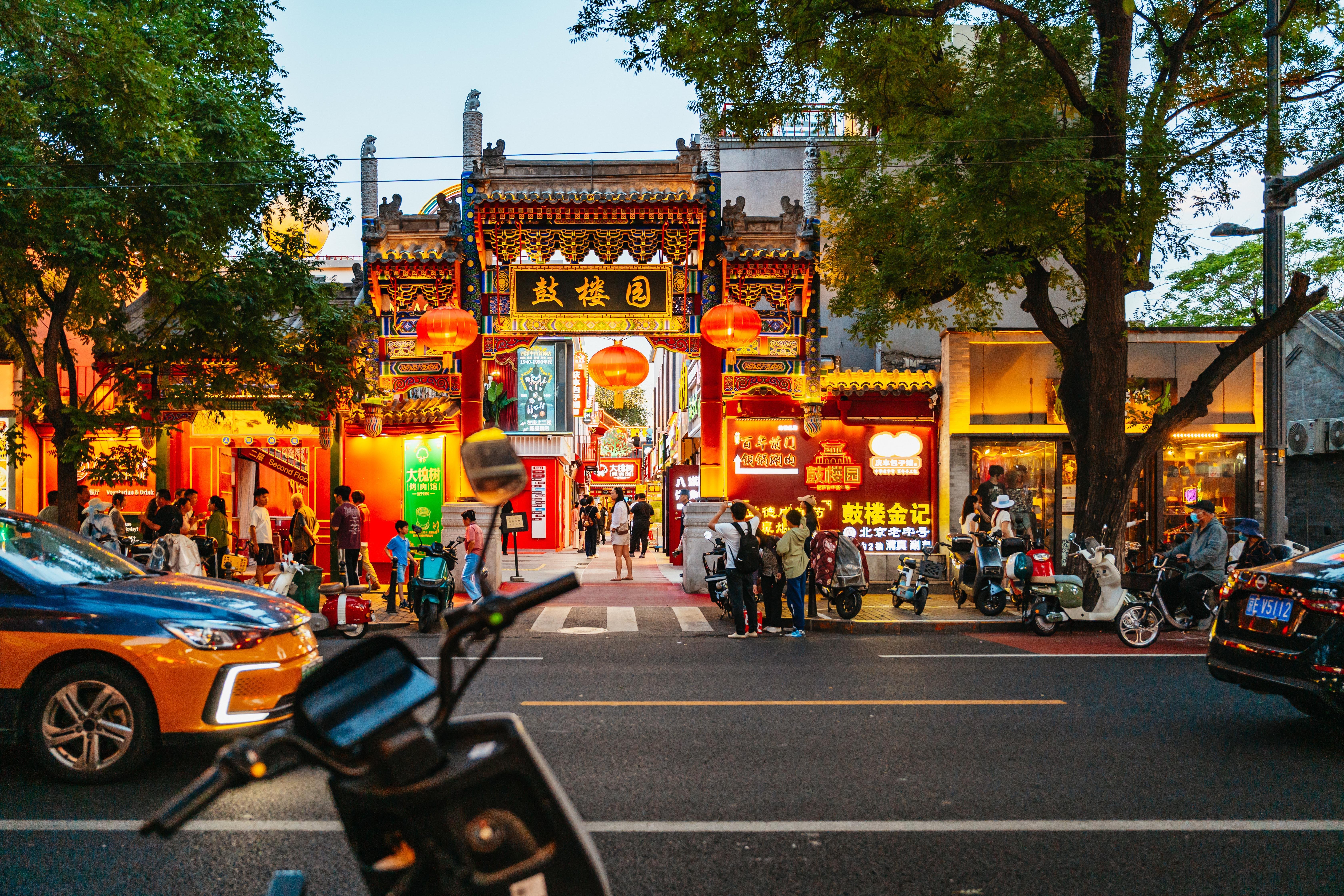
Vibrant evening atmosphere created by lanterns and signage. This lighting defines the visual experience of a nightly beijing food tour.
Traditional gray-brick structures that line the street food routes. This architecture provides the backdrop for a classic beijing food tour experience.
Long-time operators serving specialized regional dishes. These vendors are the true highlight of a authentic beijing food tour.
Every Beijing Food tour side-by-side — duration, what's included, how you redeem.
| Experience | Duration | Rating | Pickup | Guide | Small group | Free cancel. | Price | |
|---|---|---|---|---|---|---|---|---|
|
Standard Entry Most popular
Hidden Hutong Food Tour with Hotpot & Craft Beer
|
3 hr 30 min | ★ 4.9 | — | ✓ | — | ✓ | €65 | Book → |
|
Premium Combo
Hutong Culinary Walking Tour with 15+ Tastings
|
4 hr | ★ 4.9 | ✓ | ✓ | ✓ | ✓ | €62 | Book → |
|
Standard Entry
Evening Hutong Walk & Beijing Street Food Experience
|
3 hr 30 min | ★ 4.8 | — | ✓ | ✓ | ✓ | €20 | Book → |
All prices from verified partners. Availability and exact terms confirmed at checkout.
Guided experiences offer deeper cultural insight, while independent street food exploration provides more flexibility for those confident in navigating local hutongs. Visitors often find that booking a professional beijing food tour provides a smoother entry into the city's culinary landscape.
| Feature | Top pick Beijing Food Tour | Independent Exploration |
|---|---|---|
Language Barrier |
Professional translator provided | Requires local language skills |
Navigation Convenience |
Expert guide handles logistics | Self-navigated through alleys |
Deep Cultural Context |
Historical anecdotes included | Limited to personal observation |
Hidden Gem Access |
Exclusive access to private spots | Publicly accessible vendors only |
Cost Predictability |
Fixed upfront pricing | Variable market costs |
Safety and Hygiene |
Vetted establishments only | Discretionary selection required |
| See tickets → |
Verdict: Choose a guided beijing food tour tour if you value convenience and expertise, or opt for independent exploration if you prefer to set your own pace and search for beijing food tour tickets or local snacks at your leisure.
Choose your ticket, select your date, and reserve in under two minutes. Secure checkout handled by our verified partner.
Instant confirmation by email, with a mobile voucher you can save offline. No printing, no queuing at a collection desk.
Arrive at the entrance, show your voucher on your phone, and walk in. Most tickets include priority or skip-the-line access.
Practical details for Beijing Food tickets straight from our verified partners — hours, access, rules, and how to get there.
Dongcheng, Beijing
Look for central hutong entrance markers.
Open in Google MapsUse Beijing Subway lines to reach central districts like Dongcheng or Xicheng.
Request drop-off at major street market entrances.
Casual and comfortable clothing is recommended for walking between stalls during your beijing food tour. Wear closed-toe shoes to navigate busy night market pavements safely.
Keep personal belongings secure in front-facing bags while navigating crowded markets. Large backpacks may be cumbersome in narrow alleyways typical of an authentic beijing food tour.
Photography is generally permitted in public street food areas. Be respectful of local vendors when capturing images during your beijing food tour experience.
Navigating older Beijing districts during a beijing food tour can be challenging due to uneven hutong pavement. Many vendors operate in tight spaces that may not accommodate mobility devices.
Mobile phone use is ubiquitous, and digital payment apps are the standard for purchasing items on a beijing food tour. Ensure your device is charged for map navigation and contactless payments.
A beijing food tour can be an engaging experience for children interested in culinary exploration. Supervise young children closely in high-traffic areas near cooking stations.
The beijing food tour focuses on local delicacies, with costs varying by vendor. Carry small denominations of local currency to facilitate quick transactions for snacks.
Pets are generally not permitted inside crowded indoor food halls. Outside, keep leashed pets away from active food preparation zones during a beijing food tour.
Maintain awareness of hot surfaces and steam near street-side woks. Respect the queuing culture practiced at popular food stalls during your beijing food tour.
Dongcheng, Beijing
Look for central hutong entrance markers.
Get directionsBest time to go, insider tips, nearby landmarks, and the cancellation fine print — flip through to skim what matters to you.
How crowds, weather, and events shift across the year.
Mild temperatures make walking during a beijing food tour very comfortable. Market crowds are generally moderate during this season.
Evenings offer a vibrant atmosphere with warm air, ideal for a beijing food tour. August features extended evening hours for street vendors.
Crisp air and pleasant evenings provide an optimal climate for street food discovery. September and October are peak months for local harvests.
Vendors may operate with reduced hours due to low temperatures. Many indoor food stalls remain active and warm.
Small details that turn a good visit into a great one.
Arrive between 17:00–21:00 to see vendors in full operation. This window provides the best selection of dishes during a beijing food tour.
Use digital payment platforms as primary options for vendors. Cash is accepted, but digital apps are faster for street food purchases.
Learn basic phrases to communicate with local stall owners. Simple interactions enhance your beijing food tour experience.
Download an offline map of central Beijing streets. This helps navigate the complex layout of the old city lanes.
Stick to busy, well-lit areas with visible queues. High turnover at a stall usually indicates fresh food ingredients.
Non-bookable sights within a short walk — free to visit, easy to pair.
A historic palace complex featuring traditional architecture.
Offers panoramic views of the central Beijing cityscape.
A historic imperial garden featuring a large central lake.
Flexible, no hidden fees.
Since there is an entrance fee of 0 CNY, no formal cancellation is required for public street areas. Private booking policies for a specific beijing food tour vary by individual operators.
Hand-picked options within walking distance — pick a district for vibe, or a specific hotel for convenience.
Located near major food hubs for easy tour access.
Convenient access to central public transport lines.
Affordable lodging options within reach of historic areas.
Beijing's culinary landscape traces an unbroken line from the imperial kitchens of the Forbidden City to the charcoal braziers of its surviving hutong alleyways, where recipes passed down through the Yuan, Ming, and Qing dynasties still govern the ratio of vinegar to soy in a proper jiaozi dipping sauce.
The capital's food culture is not a single thread but a braid of regional traditions—Shandong's emphasis on clear broths and precise knife work, the Manchu legacy of lamb hot pot and sesame flatbreads, the Hui Muslim quarter's hand-pulled noodles and cumin-scented skewers—each layer deposited by successive waves of migration, conquest, and trade along the northern Silk Road terminus. By the late fourteenth century, when the Ming moved the capital back to Beijing, the city's markets were already serving over thirty documented regional cuisines, a cosmopolitanism that would define its gastronomic identity for the next six centuries.
Today's Beijing food tour routes traverse the same warrens where Qing-era street vendors once hawked fried dough sticks at dawn and sugar-coated hawthorn berries at dusk. The Dongcheng and Xicheng districts, bordered by the Second Ring Road and threaded with narrow lanes too tight for motor traffic, remain the city's culinary core. Here, family-run operations occupy single-room storefronts: a grandmother rolling baozi by hand at a marble counter, a third-generation vendor ladling douzhir—the polarizing fermented mung bean milk that locals drink with pickled vegetables and newcomers rarely finish. These are not restaurants engineered for foreign palates but working kitchens serving the same neighborhood clientele they have fed for decades. The hutong food tour concept emerged in the early 2000s as a response to rapid demolition and gentrification, an attempt to document and preserve culinary knowledge before it vanished beneath luxury developments.
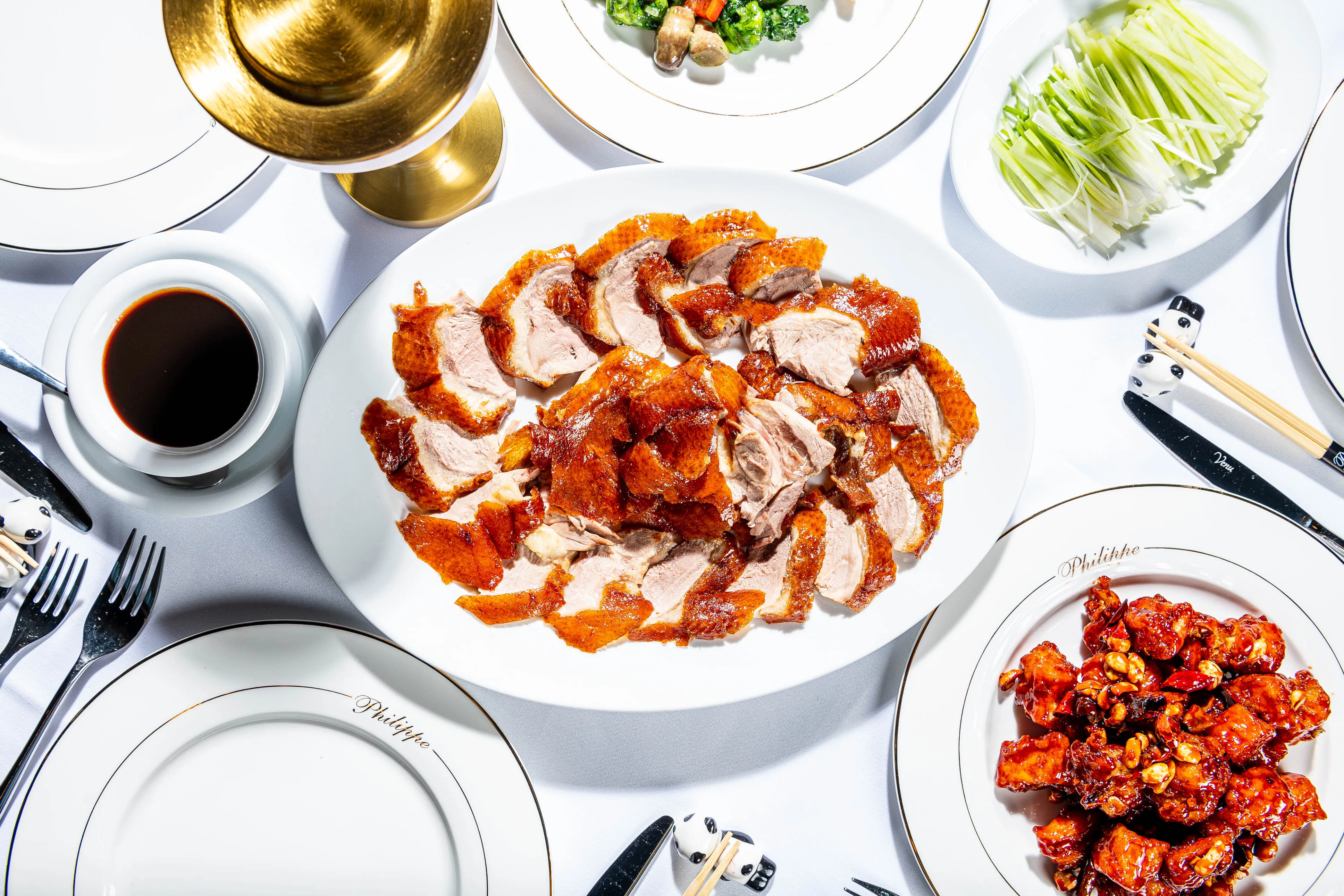
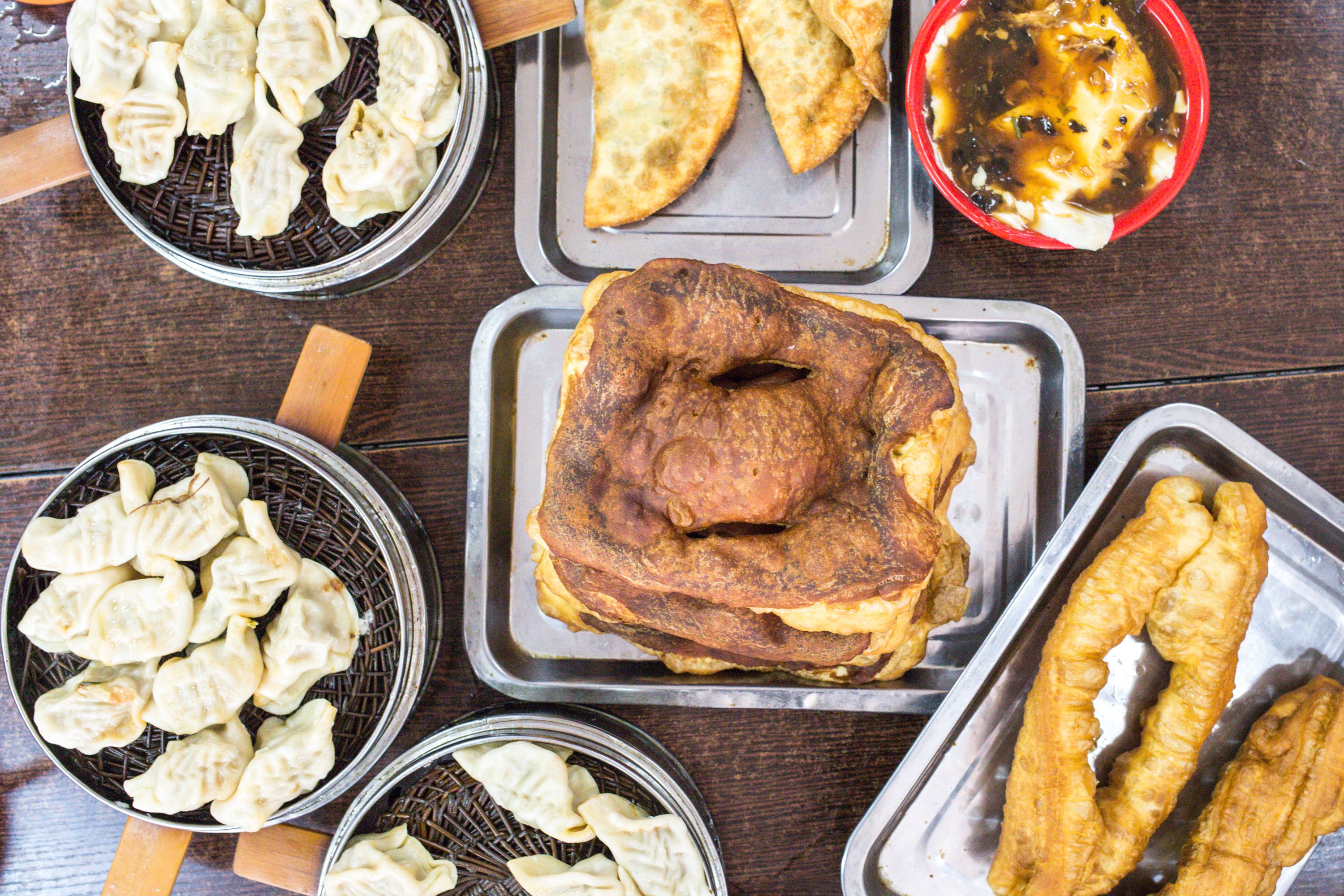
The dishes themselves are artifacts of constraint and ingenuity. Zhajiangmian, the hand-cut noodles dressed with fermented soybean paste and julienned cucumber, evolved as a one-pot meal for laborers who had no time for elaborate cooking. Peking duck, now the city's most exported culinary symbol, began as a Ming imperial delicacy requiring forty-eight hours of preparation—air pumped beneath the skin, a maltose glaze, and roasting over fruitwood—before it migrated to commercial restaurants in the 1860s. The best Beijing culinary tour itineraries build a narrative arc from humble street snacks to formal banquet traditions, demonstrating how a single city's cuisine can accommodate both a five-yuan breakfast crepe and a twelve-course duck feast. The evening hours, when vendors fire up woks under string lights and the smell of chili oil and Sichuan peppercorn drifts through the lanes, reveal Beijing's food culture at its most democratic and resilient.

"Beijing's food culture is not a single thread but a braid of regional traditions, each layer deposited by successive waves of migration, conquest, and trade along the northern Silk Road terminus."
A step-by-step walkthrough of Beijing Food tickets — what you'll see, how long each stage takes, and the details that matter.
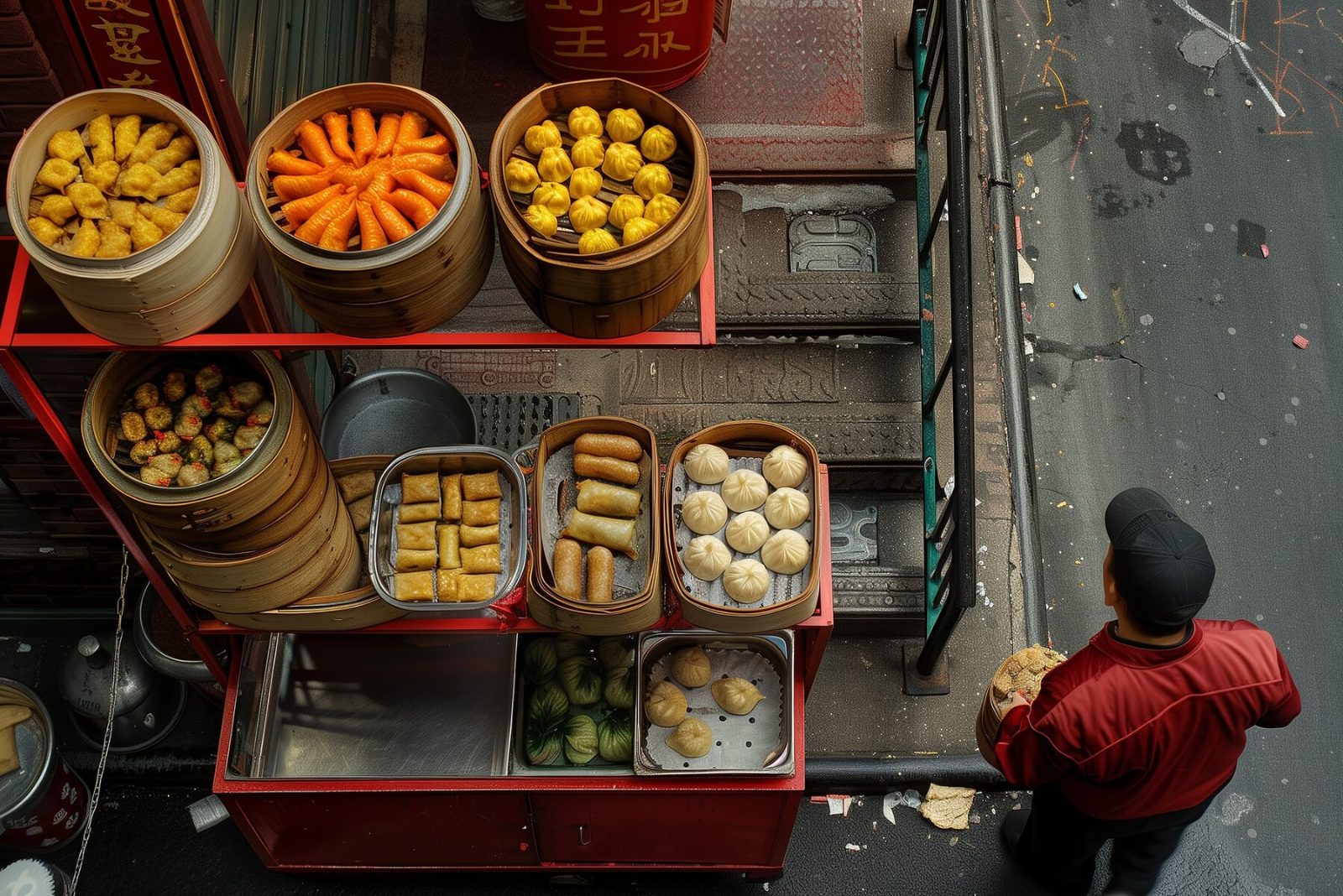
You meet your guide near Nanluoguxiang station as the late afternoon light slants across gray brick walls. The first stop is a baozi shop where steam clouds the window and the proprietor pinches pleats into dumpling skins at a speed your eye can barely track.
You taste pork and chive, then a sweeter version filled with red bean paste, the dough pillowy and faintly sweet. Two lanes over, you pause at a jianbing cart where the vendor spreads batter across a circular griddle, cracks an egg directly onto the crepe, and folds in a fried wonton cracker before handing it to you in a paper sleeve.
By the time you reach the hutong's main artery, the evening crowd has arrived. You sample lamb skewers dusted with cumin and chili flakes, then move to a narrow stall serving cold sesame noodles dressed with black vinegar and garlic. Your guide explains the difference between northern and southern soy sauce as you walk. The final stop is a family-run Peking duck restaurant where the chef carves the bird tableside, the skin lacquered and crackling, served with paper-thin pancakes, scallion batons, and hoisin sauce. You fold your own parcels, the richness of the duck fat balanced by the sharpness of the raw scallion, and realize the beijing food tour tour has traced a culinary arc from street vendor to dining table, each dish a chapter in the city's eight-hundred-year food story.
You can explore areas for a beijing food tour anytime between 00:00–23:59. Specific vendor hours may vary within this timeframe.
No, there is a 0 CNY entrance fee for general public areas. You only pay for what you eat during your beijing food tour.
The best time for a beijing food tour is 17:00–21:00 for the most vibrant atmosphere. Evening hours offer the widest selection of street food.
Yes, families are welcome on a beijing food tour. Be sure to watch children closely around hot cooking surfaces.
Digital payment apps are standard for a beijing food tour. Keep small amounts of local currency handy for smaller vendors.
Yes, you can take photos during a beijing food tour. Please be respectful of the local vendors and their work.
There is no formal dress code, but comfortable walking shoes are essential for a beijing food tour. Dress for the local weather conditions.
Accessibility can be difficult on a beijing food tour due to narrow hutong lanes. Some areas may be challenging for mobility devices.
Bring a fully charged smartphone, a portable power bank, and comfortable shoes for your beijing food tour. Having hand sanitizer is also useful.